How the Right Excavation Contractor Can Determine the Success of Your Project
Selecting the right excavation contractor can considerably influence the outcome of a construction project. Their expertise influences not only site preparation but also safety and regulatory compliance. A dependable contractor provides quality workmanship and effective communication. Conversely, choosing a less experienced or low-bid option may cause costly delays and risks. Understanding the complexities of this selection process is essential. What factors should one consider to ensure a successful partnership?
Grasping the Role of an Excavation Contractor
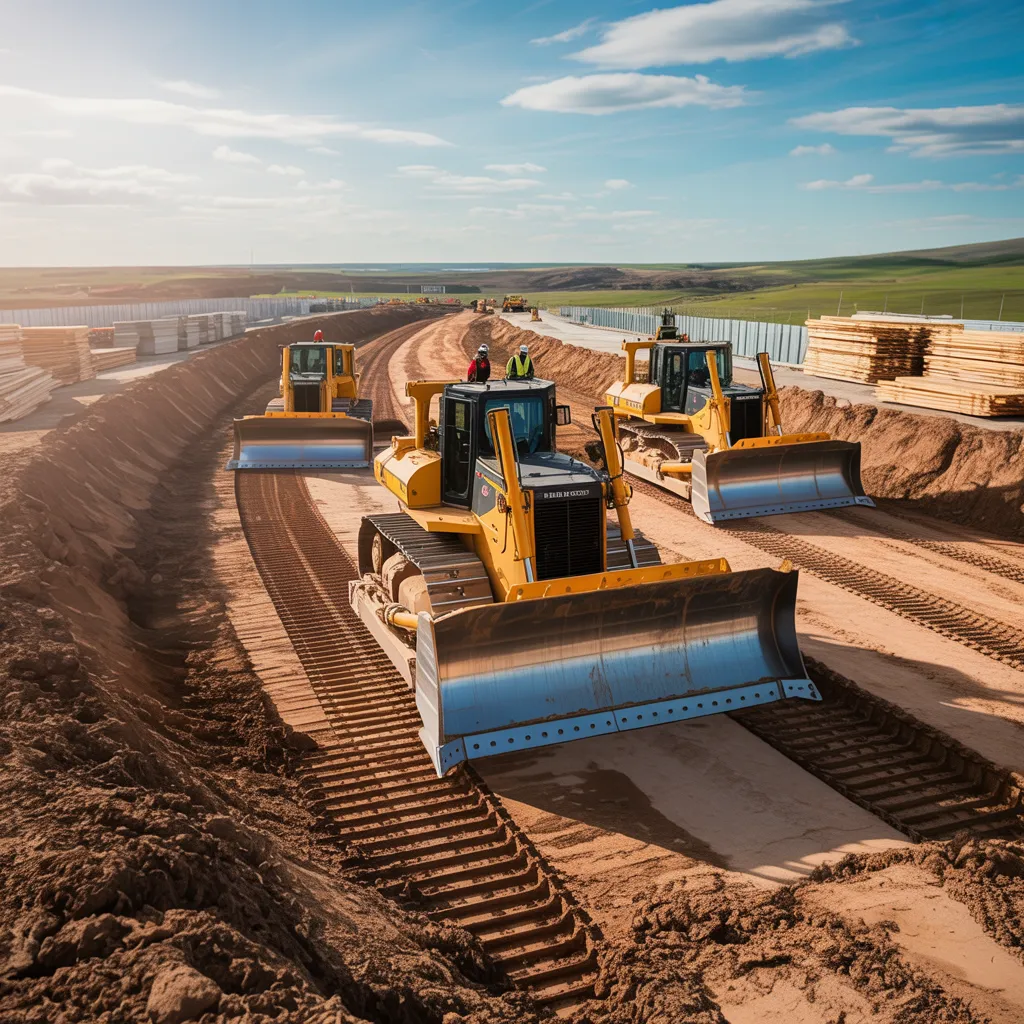
Excavation specialists fulfill a vital purpose in the construction process, acting as the foundation for any project. These professionals are responsible for preparing the site by clearing away soil and debris, leveling the ground, and creating the necessary trenches and foundations. Their work ensures that the construction area is protected and adequate for subsequent building activities.
Excavation contractors use specialized machinery such as excavators, bulldozers, and backhoes, which are crucial for efficient site preparation. They must also observe local safety codes and regulations, assuring compliance throughout the excavation work.
Additionally, they collaborate with other construction teams, providing vital information about soil conditions and site topography. Their expertise aids in preventing potential issues that could arise during construction, therefore safeguarding the entire integrity of the project. Thus, understanding the role of an excavation contractor is vital for any successful construction undertaking.
Essential Qualities for a Trustworthy Excavation Contractor
An experienced excavation contractor demonstrates several key qualities that assure project success. Most importantly, effective communication skills are imperative; they confirm that all parties understand project timelines, expectations, and any potential challenges. Additionally, a strong commitment to safety is vital, as excavation work involves substantial risks. A reputable contractor focuses on safety protocols and compliance with local codes.
Furthermore, adaptability is an important quality. Excavation projects commonly face unanticipated conditions, and a competent contractor must adjust plans suitably to maintain progress. Technical expertise, including knowledge with various machinery and techniques, is also essential, permitting the contractor to carry out tasks efficiently and accurately.
In conclusion, a strong reputation, backed by favorable client testimonials and industry references, indicates trustworthiness and professionalism. By maintaining these essential qualities, a reliable excavation contractor substantially supports the total success of any construction project.
Evaluating Experience in Excavation Contractors
While evaluating excavation contractors, industry knowledge is critical to confirm compliance with regulations and best practices. Moreover, project-specific expertise can considerably influence the caliber and efficiency of the work performed. Understanding these factors aids in selecting a contractor who can meet the particular demands of a given project.
Industry Knowledge Matters
Examining the experience of excavation contractors is vital, as industry knowledge directly impacts the success of a project. Contractors with substantial industry knowledge are more skilled at navigating the complexities of excavation work. They understand local regulations, soil types, and geological conditions, which can significantly influence project outcomes. Moreover, seasoned contractors are familiar with the latest technologies and techniques, permitting them to enhance efficiency and reduce costs. Their experience also enables them to anticipate potential challenges, leading to proactive problem-solving. In contrast, less experienced contractors may overlook crucial factors, resulting in delays and increased expenses. In the end, selecting a contractor with solid industry knowledge is critical for ensuring a smooth excavation process and achieving project goals.
Specialized Project Knowledge
Examining project-specific expertise is essential in choosing an excavation contractor. Contractors with pertinent experience possess a comprehensive understanding of the unique challenges linked to various projects, such as residential developments, commercial sites, or infrastructure projects. Their familiarity with local regulations, soil conditions, and environmental considerations can greatly influence project efficiency and compliance. A contractor's track record in similar projects serves as a dependable indicator of their capability to manage complexities and mitigate risks. Moreover, reviewing their past performance through client testimonials and case studies can provide insights into their problem-solving skills and adaptability. Finally, picking a contractor with project-specific expertise ensures that the excavation phase aligns seamlessly with the overall objectives, laying a solid foundation for success.
How Correct Equipment Increases Excavation Efficiency
Picking the right equipment greatly boosts excavation efficiency. The choice of machinery considerably influences the pace and quality of work. For example, modern excavators equipped with advanced hydraulic systems permit precise movements and faster digging, decreasing project timelines. In addition, specialized attachments, such as augers or grapples, can enhance versatility, permitting contractors to tackle multiple tasks without switching equipment.
Furthermore, using well-maintained machinery limits breakdown potential, providing consistent progress. Workers trained to use specific equipment can optimize performance, producing increased fuel efficiency and reduced operational costs. In addition, the integration of technology, such as GPS and telematics, facilitates better project tracking and resource management, increasing productivity. Essentially, the right tools help excavation contractors to complete projects more effectively, seeing to it that timelines and budgets are maintained while maintaining superior standards. Consequently, proper equipment is an essential factor in achieving successful excavation outcomes.
Managing Permits and Regulations
Handling permits and regulations is a crucial aspect of the excavation process that can greatly affect project timelines and costs. Before initiating any excavation work, it is critical for contractors to understand local, state, and federal requirements. This often involves obtaining necessary permits, which may include land use permits, environmental assessments, and utility clearances.
A professional excavation contractor will consistently communicate with regulatory bodies to ensure compliance. This not only streamlines the permitting process but also lessens the risk of costly delays or fines. In addition, understanding zoning laws and potential restrictions can eliminate unexpected obstacles during the project.
Contractors need to remain updated on regulation modifications, as these may influence active projects. Strong communication among stakeholders, including property owners and local authorities, encourages a teamwork-based method that further enables conformity to all legal obligations. Eventually, careful navigation of permits and regulations is essential for the successful execution of any excavation project.
Analyzing Cost versus Value of Excavation Contractors
In evaluating excavation contractors, it is necessary to review the overall project budget while taking into account the overall value provided. Selecting the lowest bid may not always assure quality, which can lead to higher costs in the long run. A balanced approach that measures cost against the quality of work is crucial for successful project outcomes.
Analyzing Total Project Costs
What's the best way to balance cost and value when reviewing excavation contractors? When evaluating the complete project budget, you must consider both the upfront costs and the future benefits linked to selecting a specific contractor. This entails scrutinizing the complete estimates presented by possible contractors, confirming they contain all needed services and materials. In addition, evaluating the contractor's credibility, background, and equipment caliber is vital, as these components can considerably impact project performance. Bid comparison shouldn't exclusively concentrate on the cheapest option but must also consider the possible hazards and concealed expenses that might emerge from selecting an inexperienced contractor. In the end, a balanced assessment emphasizes both budgetary limitations and the total value provided.
Quality Over Lowest Bid
Assessing excavation contractors demands a keen focus on quality rather than just opting for the lowest bid. While budget constraints are important, picking a contractor based solely on price can cause compromised work and costly mistakes down the line. Quality contractors often bring substantial experience, advanced equipment, and skilled labor, ensuring projects are completed proficiently and safely. They are more likely to follow local regulations and industry standards, reducing the risk of delays and unexpected expenses. Moreover, investing in a reputable contractor can improve the overall value of the project, delivering outstanding results that align with long-term goals. Ultimately, prioritizing quality over the lowest bid can safeguard both the project's integrity and the client's investment.
Important Questions You Should Ask Before Hiring an Excavation Contractor
What key inquiries should one make before hiring an excavation contractor? Important questions center on the contractor's experience and qualifications. Interested parties should request information about the contractor's previous projects, especially ones comparable in useful resource scope and complexity. Furthermore, verifying licenses and insurance is essential to confirm compliance and protection against liabilities.
Asking about the equipment used can reveal the contractor's competence and effectiveness. Clients should also seek clarity on the project's timeline, including the management of possible delays. It's advisable to discuss safety protocols and the contractor's approach to site management.
Asking about the equipment utilized can reveal the contractor's capability and efficiency. Customers should also request clarity on the project's timeline, including potential delays and how they are managed. It's recommended to discuss safety protocols and the contractor's strategy to site management.
Inquiries regarding the equipment used can expose the contractor's capability and efficiency. Customers should also request clarity on the project's timeline, including potential delays and how they are managed. It's beneficial to discuss safety protocols and the contractor's stance to site management.
Finally, securing references from previous clients can offer insights into the contractor's dependability and workmanship. By asking these specific questions, individuals can make educated decisions, ultimately enhancing the possibility of a successful excavation project.
Common Questions
Key Mistakes to Avoid When Hiring an Excavation Contractor
Typical errors when hiring an excavation contractor include neglecting to check references, overlooking licensing and insurance, overlooking detailed contracts, incorrectly estimating project timelines, and not specifying specific project requirements clearly. These errors can create complications.
What Effect Does Weather Have on Excavation Timelines?
Weather elements strongly shape excavation timelines. Rainfall may result in project postponements, while harsh thermal conditions might compromise equipment performance. In addition, icy soil makes excavation difficult, making it critical for contractors to alter timeframes depending on ongoing meteorological conditions.
Which Safety Measures Must Excavation Contractors Follow?
Excavation specialists should implement safety measures like thorough site assessments, equipment inspections, worker training, hazard identification, personal protective equipment utilization, and emergency response protocols to maintain a safe working environment and prevent accidents.
Are Excavation Contractors Handle Environmental Concerns?
Excavation contractors can indeed assist with environmental concerns. They often implement practices such as erosion control, waste management, and habitat preservation, ensuring projects meet regulations and lessen ecological impact throughout the excavation process.
How Do Excavation Contractors Address Unexpected Site Challenges?
Excavation experts manage unpredicted site challenges by performing detailed assessments, adjusting plans as needed, and utilizing specialized equipment. Their experience permits them to navigate hurdles skillfully while minimizing delays and ensuring safety throughout the project.